Why does my newer Arizona home only have a gas fireplace, and can I make it burn wood?
Since the end of 1998, Arizona law has required Valley cities to allow only gas or electric log fireplaces, or EPA-certified wood units, in new construction. Your fireplace was permitted that way, and the same law tells cities to ban converting it to an unapproved use. In Phoenix the code says it shall not be altered to burn wood, and any alteration needs a city permit.
Phoenix Fireplace & Chimney · November 2, 2026
The 1998 deadline that shaped Valley fireplaces
A.R.S. 9-500.16, the state statute for cities and towns in the Phoenix-area air-quality region called Area A, ordered every one of them to adopt a clean-burning fireplace ordinance by December 31, 1998. A twin statute, A.R.S. 11-875, gives counties the same order for unincorporated land. From that date on, a new fireplace could only be built if it had a permanently installed gas or electric log insert, if it was an EPA-certified solid-fuel appliance (or tested and listed as equal, or approved by the county), or if it had a certified wood stove insert built in.
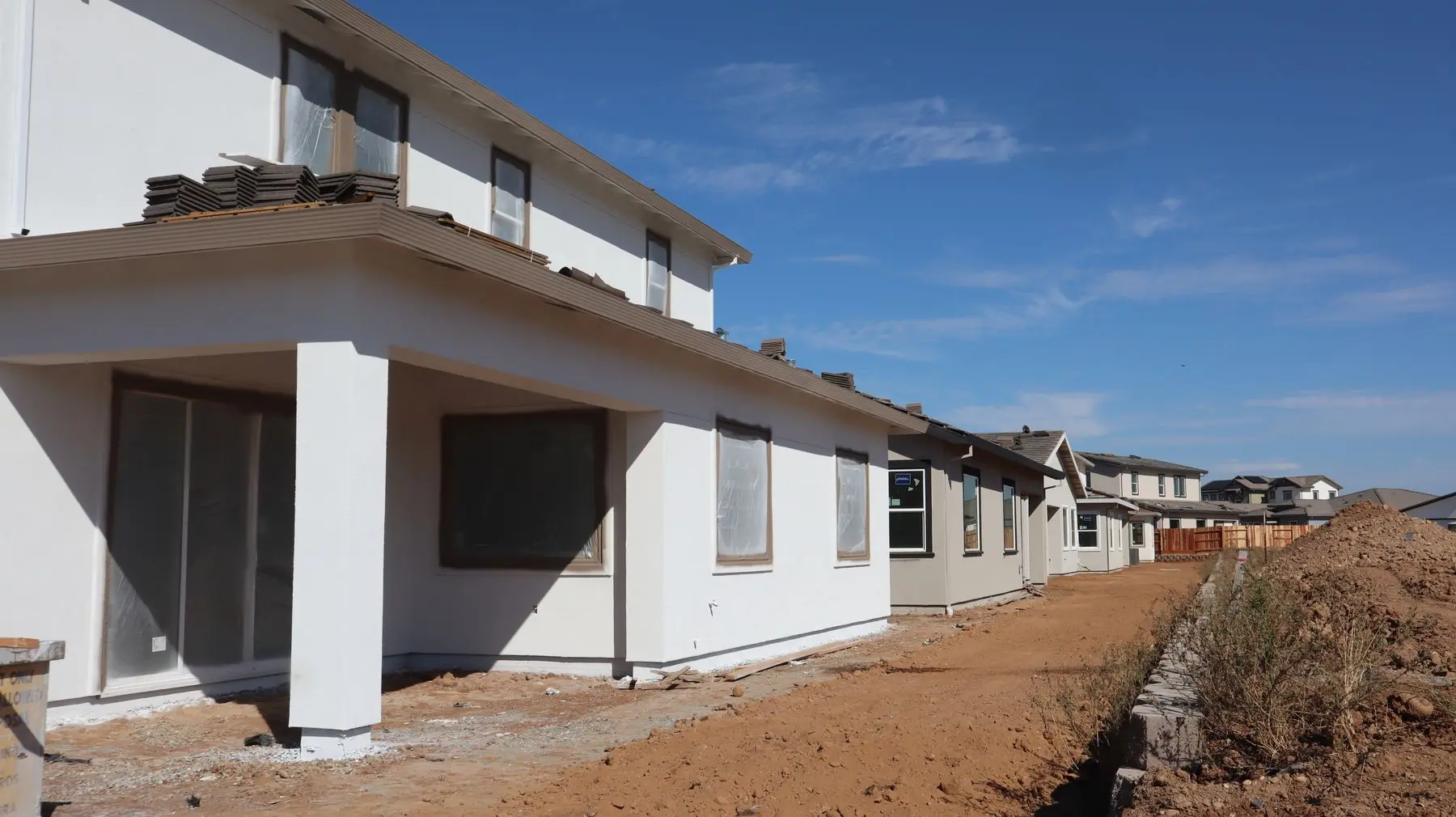
Builders went the cheap and simple way: a factory-built firebox in a framed chase, with a gas log set bolted in and a gas line run to it. That is the fireplace in most living rooms in Buckeye, Queen Creek, San Tan Valley, Maricopa, Goodyear and Surprise, where Census ACS data shows three-quarters or more of homes were built in 2000 or later. In Buckeye the figure is 90 percent, and in Maricopa it is 93 percent.
Older parts of the Valley still have plenty of true wood fireplaces. Census ACS puts the share of pre-1980 homes at 42 percent in Phoenix, 41 percent in Tempe and 89 percent in Sun City, so a brick firebox with a damper is normal there. The rule only covers what was built after the deadline.
Why you can't simply pull the logs and light wood
The statute also tells cities to prohibit converting a permitted fireplace to a non-permitted use. Phoenix spells this out in its 2024 residential code amendment R333.3: a fireplace installed on or after December 31, 1998 with a gas or electric log insert shall not be altered to directly burn wood or any other solid fuel. The same section adds that such a fireplace shall not be altered at all without first getting a permit from the city.
There is a practical side too. The gas logs, burner pan and valve are part of how the unit was approved and installed. Lifting them out to burn wood leaves an open gas stub in the firebox, and the factory-built box was not necessarily set up by the builder for regular wood fires, with the right screen, doors and clearances. We would not light a wood fire in one without the manufacturer's instructions and a clear answer from the city.
Other Valley cities passed their own ordinances in the 1990s to meet the same statute. We have not verified each one's wording, so before any change outside Phoenix we check what your city requires.
What you can do if you want a better fire
Most people who ask this question really want a fire that looks and feels less fake. That is usually solvable inside the rules.
- Replace a tired, sooty log set with a newer one sized to the firebox. A good set with ember material and correct burner placement looks far more natural than a builder-grade set from 2005.
- Adjust the flame. Many dull fires come from a dirty burner, clogged ports or a log set put back in the wrong places after a cleaning.
- Add a real wood fire outdoors. Phoenix's R333 exceptions list fire pits and other outdoor fireplaces as not regulated by the indoor rule, though they still fall under No Burn Days and the county's summer ban on wood fires.
- If you want a sealed, more efficient heater, ask about a gas insert. HomeGuide's 2026 guide puts an installed gas insert at $2,000 to $5,000.
What we check on a post-1998 gas fireplace
On a free inspection we light the unit, look at the burner, logs and ember bed, check the glass or screen, look at the vent or chimney top from the roof, and photograph what we find. If the gas line needs to be moved or extended for a new set, HomeGuide lists extending a line at $350 to $2,000, and in Phoenix gas line work is permit work. The log set itself is priced at the inspection, once we know the firebox size and venting.
FAQ
More answers
Can I burn wood in a gas fireplace?
Not in a gas-log fireplace built in the Valley after 1998. A.R.S. 9-500.16 told cities to ban converting a permitted gas unit to wood, and the Phoenix code says such a fireplace shall not be altered to burn wood or any other solid fuel.
Is it illegal to burn wood in your fireplace in Arizona?
In an older, legally built wood fireplace, burning seasoned wood is allowed except on a declared No Burn Day in Maricopa County. Garbage, painted wood and other materials are never allowed. In a post-1998 gas-log fireplace, wood is not an option at all.
How can I tell if my fireplace was built for gas only?
Check the year the house was built and look in the firebox. A permanently mounted burner and log set fed by a gas line, often with a key valve or wall switch nearby, plus a 1999-or-later build date, points to a gas-only unit. The label plate inside the firebox or behind the lower grille names the model.
Keep reading
More from the blog
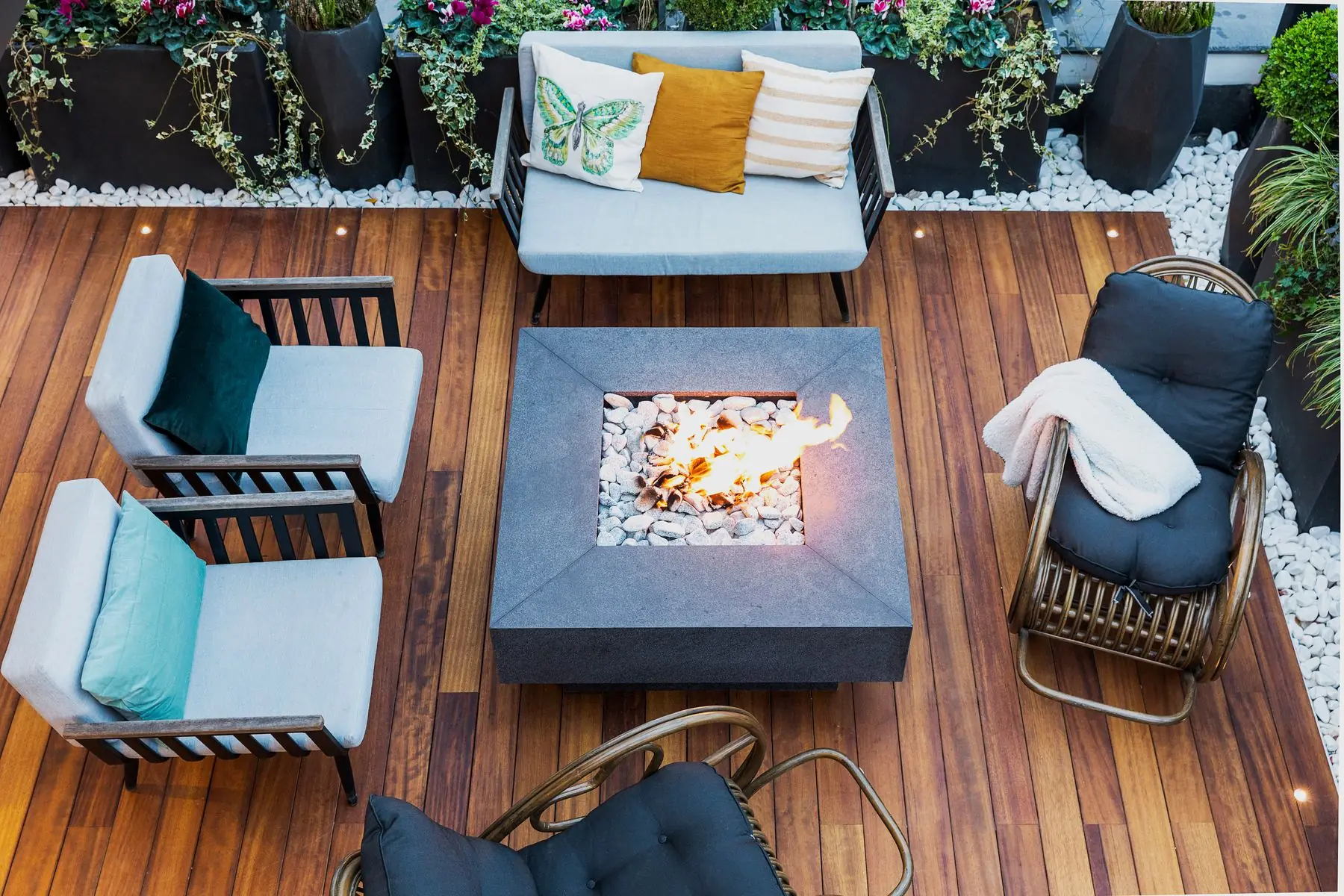 Can I have a wood fire in my backyard fire pit during summer in Phoenix?Maricopa County bans recreational wood fires in backyard pits May 1 to Sept 30 in Area A. What it covers, the $200 minimum fine and why gas pits are exempt.
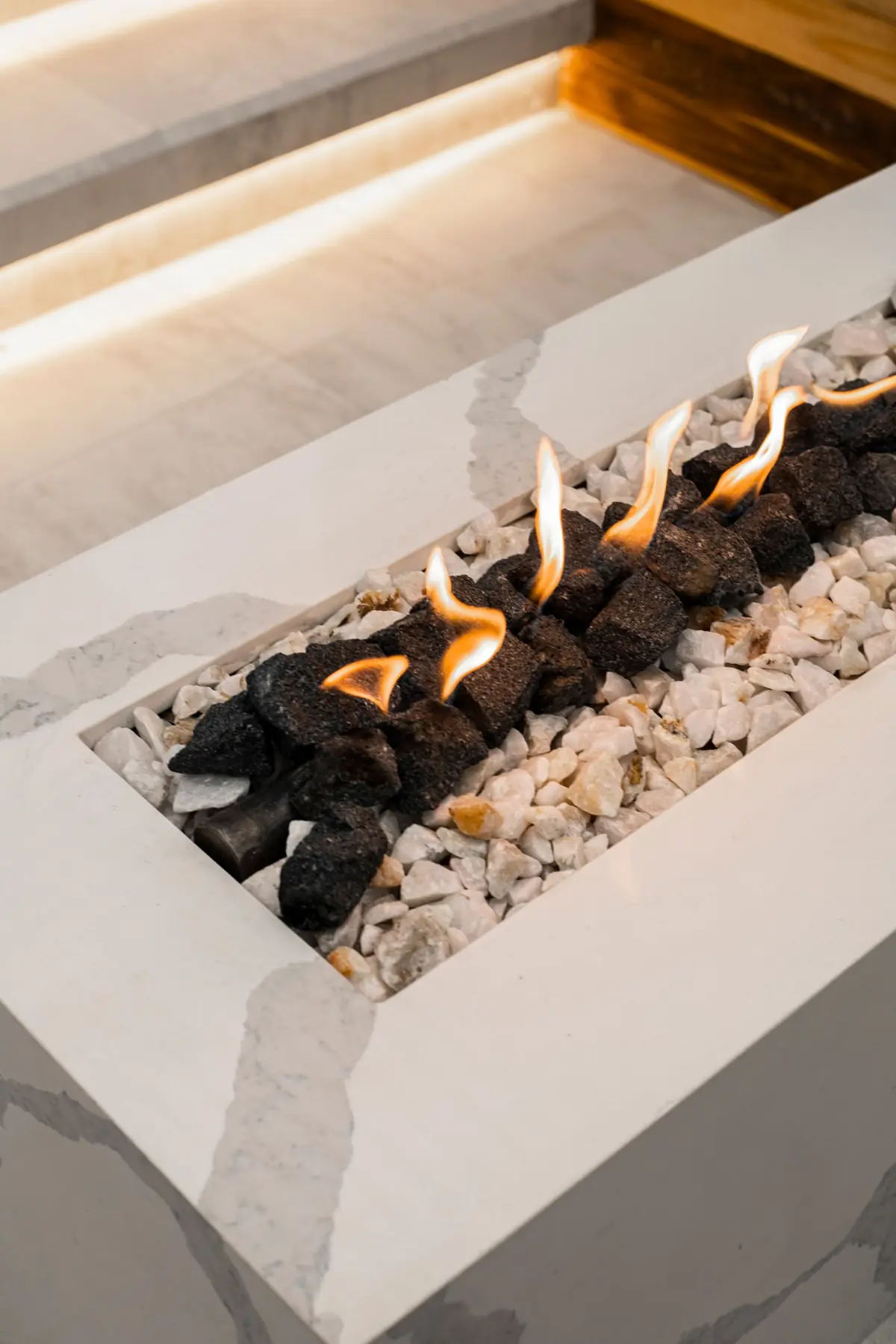 What should I check before starting my gas fireplace after a Phoenix summer?Your gas fireplace sat through five months of heat. What to look at before the first cool night: glass, vent, pilot, flame, batteries and the CO alarm.
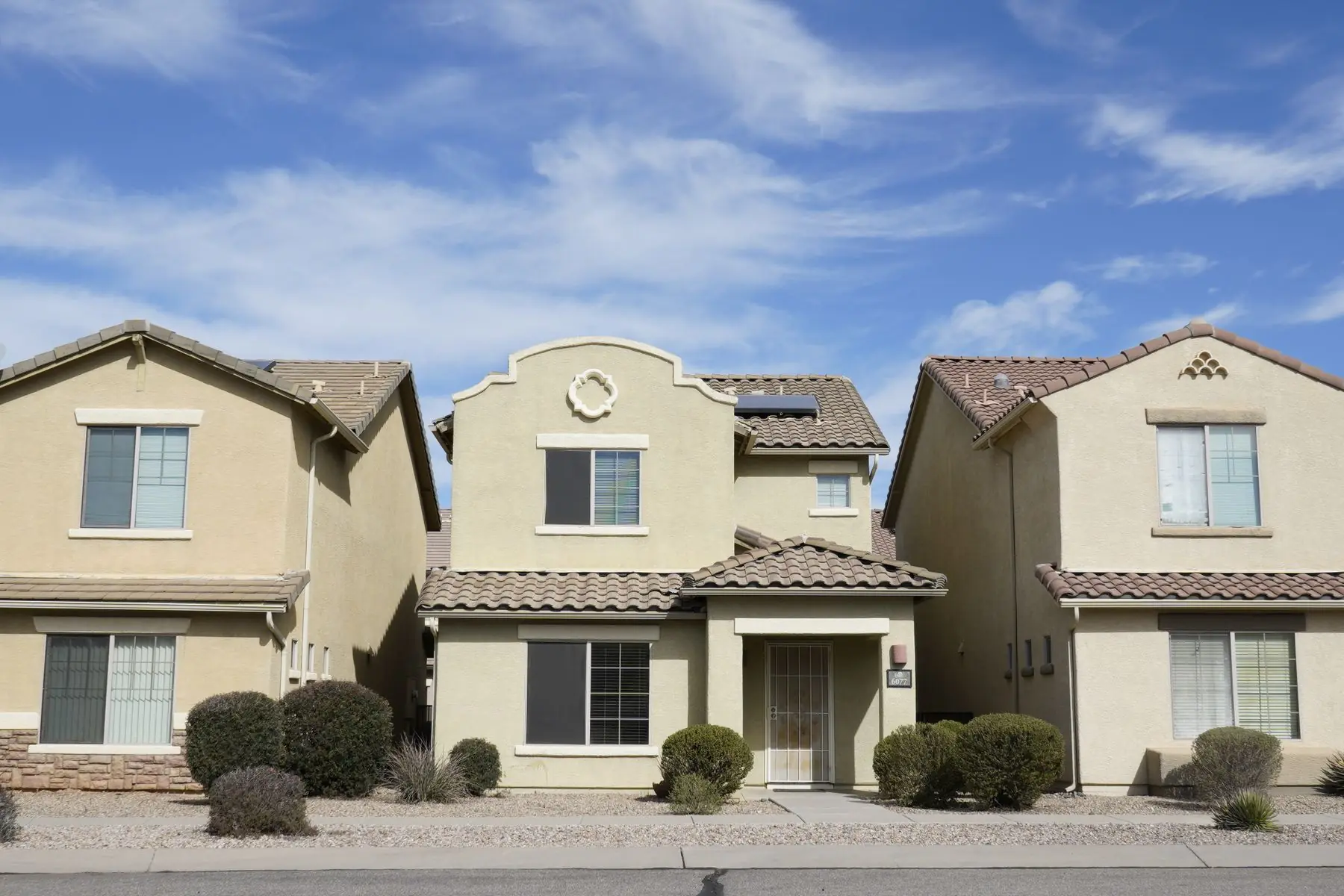 What is a chase cover, and when does a rusting one on a stucco chimney need replacing?The metal lid on your stucco chimney keeps rain out of the chase. Signs it is rusting or leaking, what a better replacement looks like, and typical costs.
Book online
Pick a window. We'll bring the meter.
Free inspection in a 3-hour window: 8 to 11, 11 to 2, or 2 to 5, Sunday through Friday. We call to confirm before we head out.