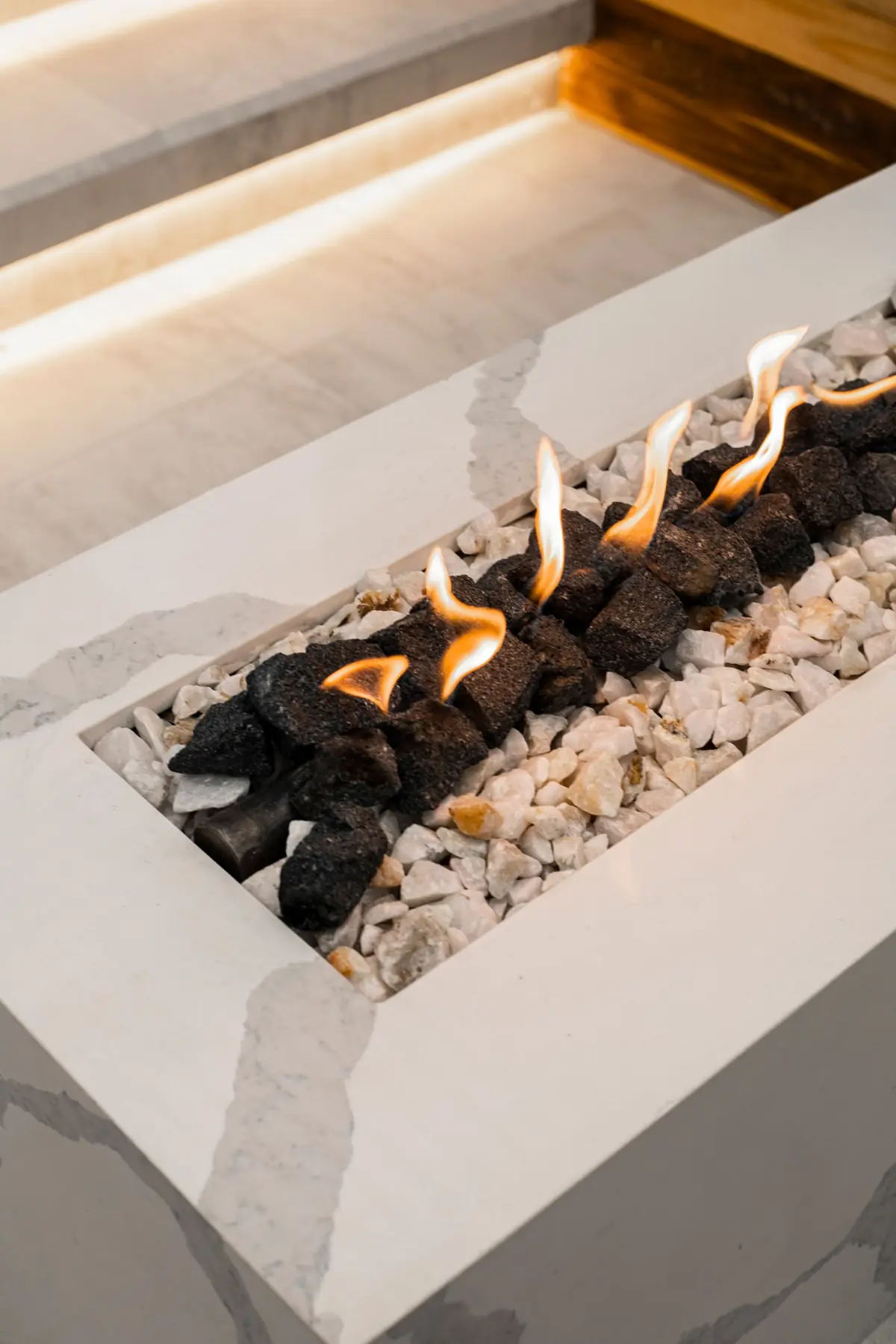
What should I check before starting my gas fireplace after a Phoenix summer?
Look through the glass for dust, webs and debris, check the outdoor vent or chimney top for nests, replace remote and receiver batteries, and test your CO alarm. Then light it and watch the flame for the first few minutes. A strong rotten-egg smell means stop, leave the house and call Southwest Gas from outside.
Phoenix Fireplace & Chimney · November 4, 2026
Why the first cool evening is when problems show up
A Valley gas fireplace has a long rest. NWS Phoenix data for Sky Harbor puts the average first 100°F day on May 2 and the last one on October 5, and the 1991 to 2020 normal is 111 such days a year. Most units sit off for that whole stretch, many with the pilot shut down to keep heat out of the house.
During those months, fine dust settles on the burner and logs, spiders build in the pilot area and air openings, and monsoon winds push debris toward the vent. Then the first evening in the 50s arrives, everybody in the neighborhood turns their fireplace on, and the weak parts show up all at once.
Before you light it
None of these steps need tools beyond a flashlight. If anything looks wrong, leave it off and have it checked.
- Look through the glass. Cobwebs across the burner, leaves, a dead insect pile or a bird nest in the firebox are reasons to stop.
- Check that the glass front is seated and latched all the way, with no cracks or chips. On sealed units the glass is part of the venting system.
- Walk outside and look at the vent cap on the wall or the chimney top on the roof. A nest, a wasp mud tube or a dented cap can block exhaust.
- Put fresh batteries in the remote and the wall receiver, and in the battery backup if your unit has one. Summer heat in a garage or a closet is hard on them.
- Press the test button on your CO alarm. Phoenix's adopted residential code requires CO alarms in new homes and permitted remodels; whatever your home's age, we recommend a working one in any house with a gas fireplace.
- Make sure the gas key valve or shutoff near the fireplace is open if you closed it in spring.
Lighting it and watching the first run
Follow the lighting steps printed in your owner's manual or on the label behind the lower grille. Once it is lit, stay with it for the first ten minutes.
A short burn-off smell from dust is common on the first run of the season and fades quickly. A flame that is lazy, dark orange and leaving black marks on the logs or glass, a flame that lifts off the burner, or a fire that goes out after a minute or two are all signs to shut it off and book a check. So is a pilot that will not hold after you release the knob.
A related symptom is noise. Repeated clicking with no flame on an electronic-ignition unit usually points to the igniter, a dirty pilot or low battery power; one of our technicians can sort out which part it is.
When to stop right away
Natural gas has an odorant called mercaptan added so you can smell a leak. If you smell rotten eggs or sulfur, do not try to light anything, do not flip switches, the thermostat or the fireplace controls, and leave the house. From outside, call 911 and Southwest Gas at 1-877-860-6020, which takes leak calls 24 hours a day whether or not you are its customer.
What our free inspection adds
If you would rather not go through the list yourself, we light the unit, look at the pilot, burner, logs and glass, check the vent from outside and photograph what we find. You get a written price for anything that needs attention. HomeGuide's 2026 guide puts an igniter at $90 to $150 and a thermocouple at $150 to $350, and yearly gas service is priced at the inspection. We work Sunday to Friday in 3-hour windows, and late October and November fill up fast.
FAQ
More answers
Should I turn my gas fireplace pilot off in the summer in Arizona?
Many Valley owners do, because a standing pilot adds a little heat to the room for months when nobody wants it. If you turn it off, follow the manual to relight it in the fall, and do the checks above first.
Why does my gas fireplace smell when I first turn it on?
Usually it is dust burning off the burner and logs after the long summer. That smell is brief. A rotten-egg smell is different; leave the house and call Southwest Gas from outside.
Do I need a chimney sweep for a gas fireplace?
A gas fireplace does not build creosote like wood does, but it still needs its burner, pilot, logs, glass and vent checked. After a Phoenix summer, dust and webs in the pilot area are the most common thing we find.
Keep reading
More from the blog
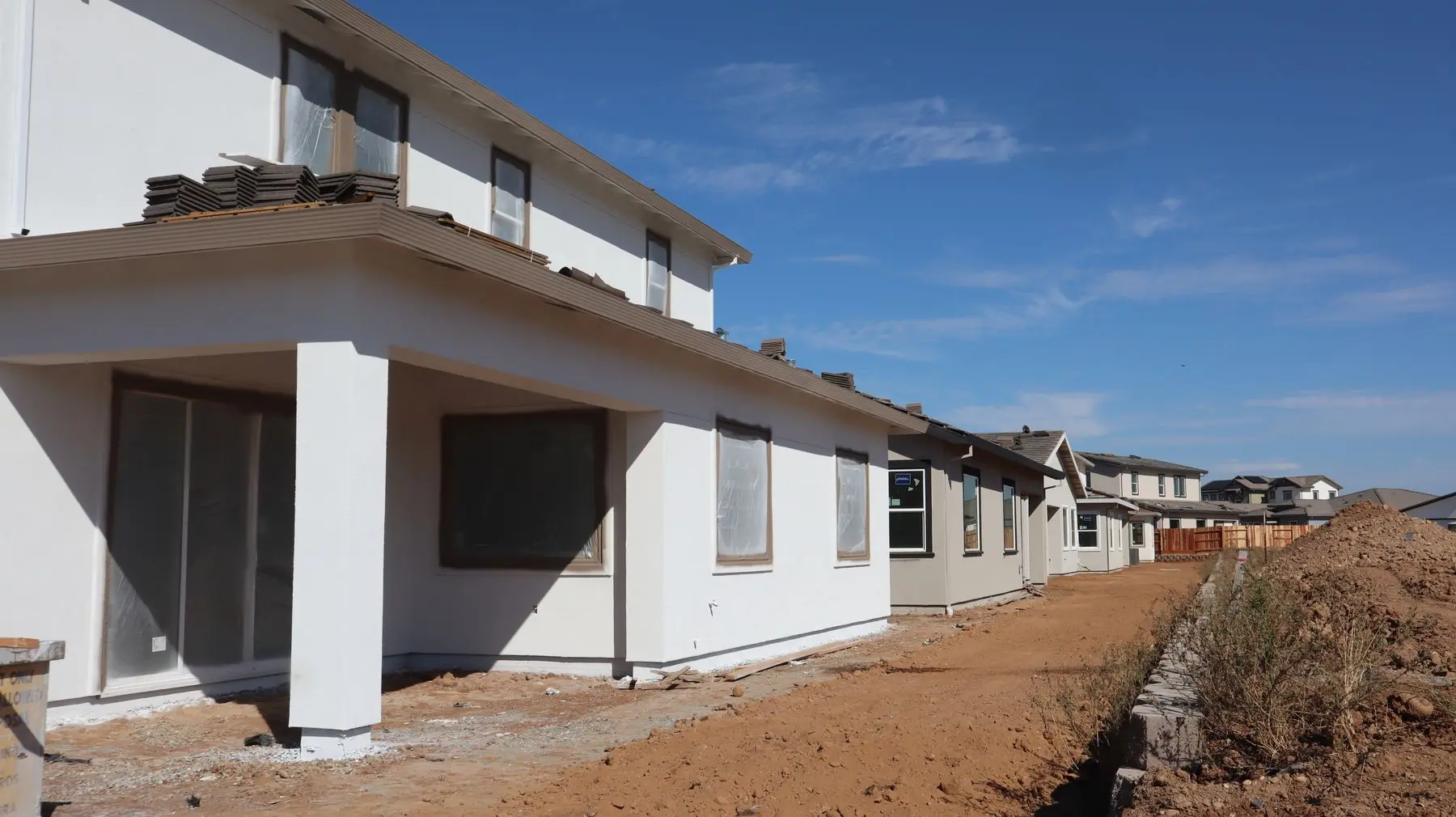 Why does my newer Arizona home only have a gas fireplace, and can I make it burn wood?Bought a Valley home built after 1998 and found gas logs, not a wood fireplace? Here is the Arizona law behind it and why converting it to wood isn't allowed.
 Can I have a wood fire in my backyard fire pit during summer in Phoenix?Maricopa County bans recreational wood fires in backyard pits May 1 to Sept 30 in Area A. What it covers, the $200 minimum fine and why gas pits are exempt.
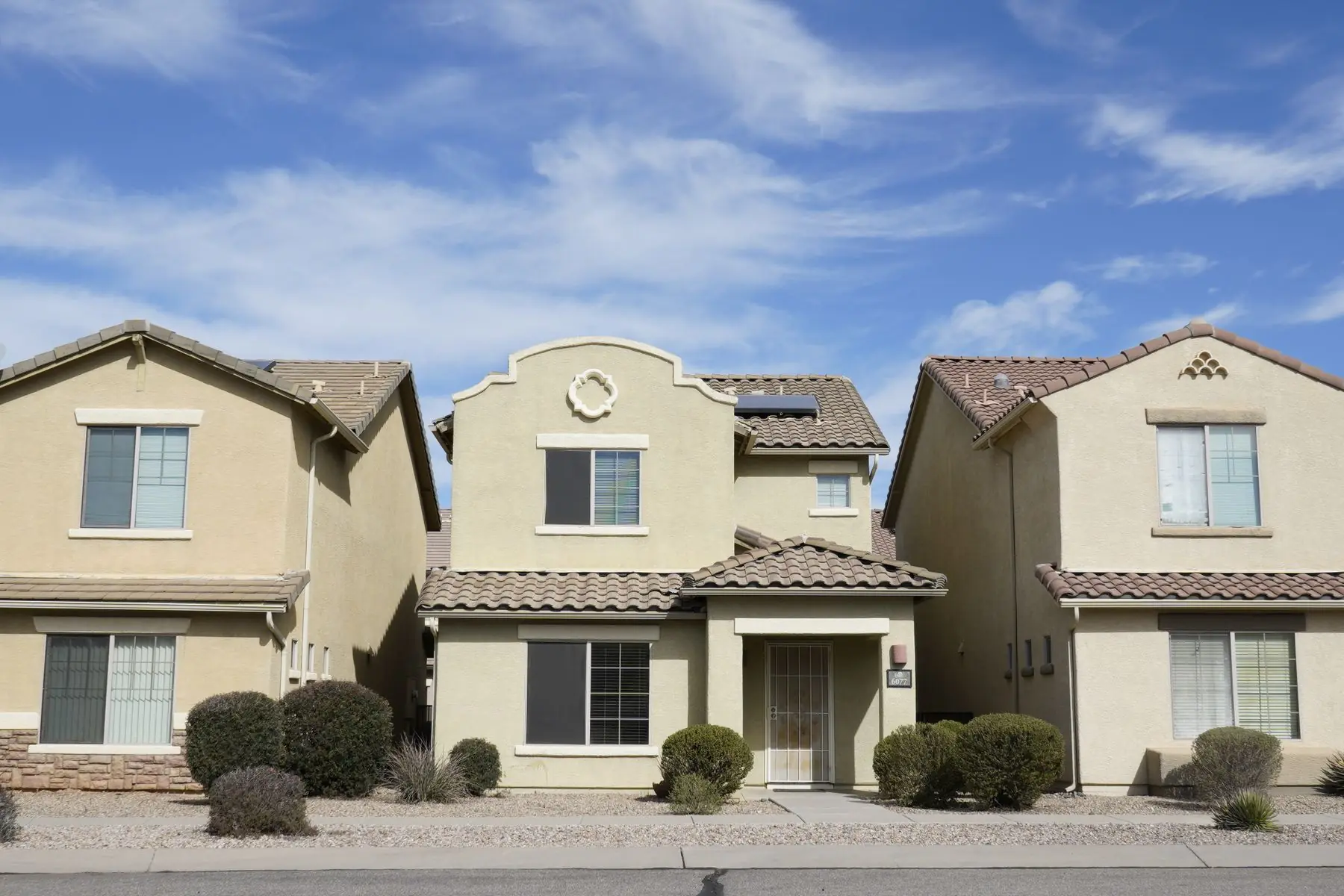 What is a chase cover, and when does a rusting one on a stucco chimney need replacing?The metal lid on your stucco chimney keeps rain out of the chase. Signs it is rusting or leaking, what a better replacement looks like, and typical costs.
Book online
Pick a window. We'll bring the meter.
Free inspection in a 3-hour window: 8 to 11, 11 to 2, or 2 to 5, Sunday through Friday. We call to confirm before we head out.